
Fuller Earth
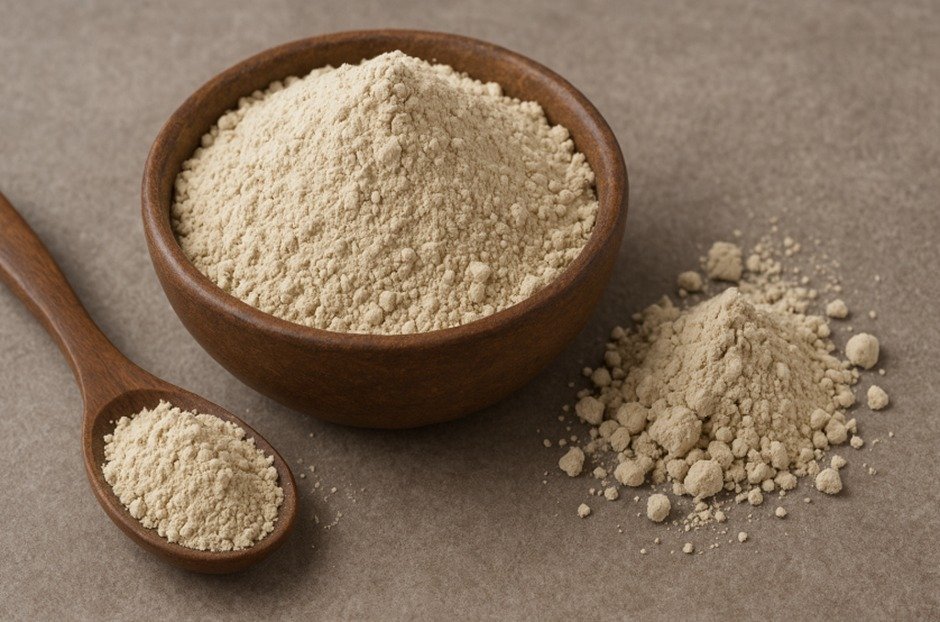
COATING
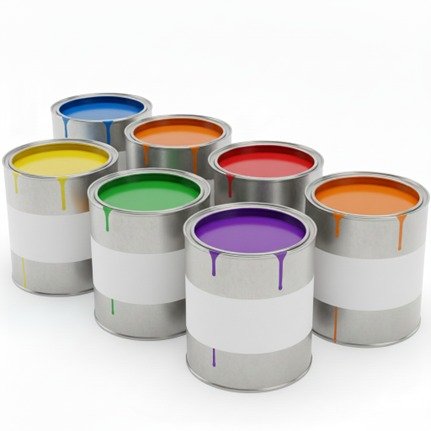
Bentonite powder is a valuable additive in the coating industry, primarily functioning as a rheology modifier and suspending agent.
Its unique platelet structure and colloidal properties, often activated by specific organic treatments (organo-bentonites), impart thixotropy to paints and coatings. This means the coating has a high viscosity at rest (preventing pigment settling and sagging) and flows easily when sheared (during application). Furthermore, bentonite improves film build, enhances anti-settling properties for pigments and fillers, and contributes to the coating's stability and consistent performance over time. It is essential for achieving the desired application and final appearance characteristics.
MARINE PILLING
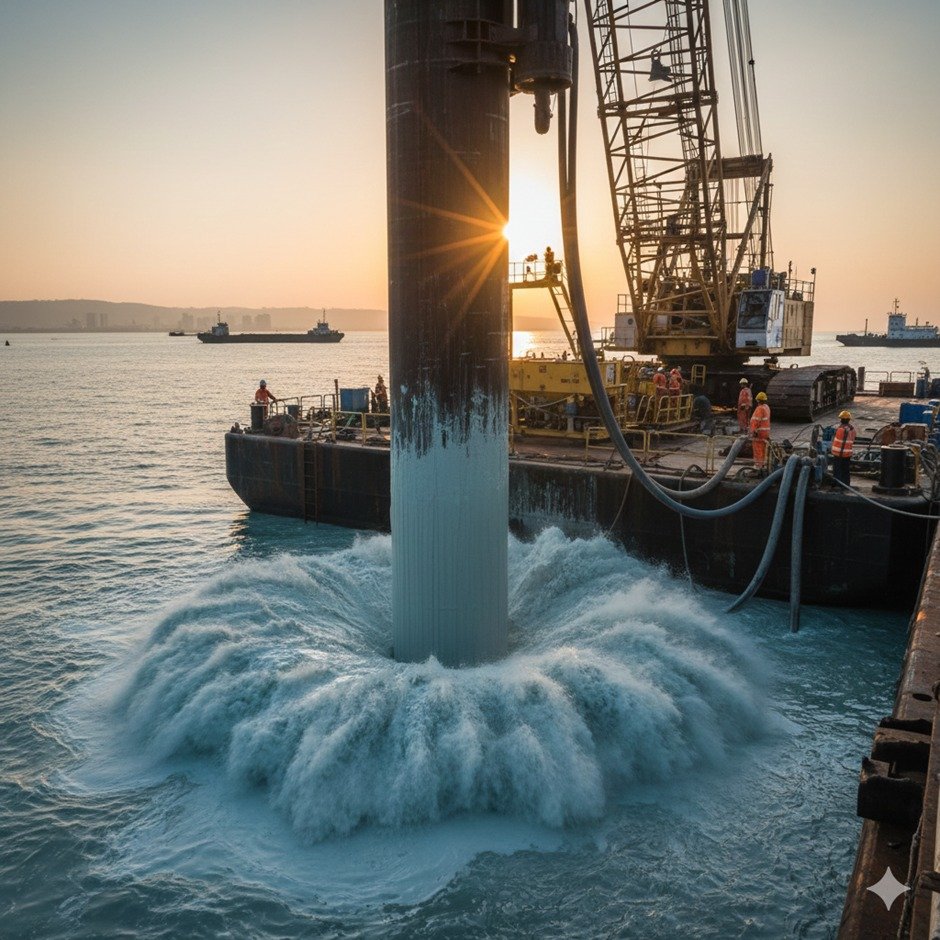
Bentonite powder is critical in marine piling for creating a bentonite slurry, which is pumped into the borehole during excavation
This thixotropic fluid serves three main functions:
1. Borehole Stabilization: The hydrostatic pressure of the heavy slurry prevents the loose or sandy soil walls—especially common in marine and riverside environments—from collapsing before the concrete is poured.
2. Filter Cake Formation: Bentonite's unique property allows it to form a low-permeability filter cake on the borehole walls, sealing it against water inflow and further stabilizing the surrounding soil.
3. Debris Removal: The high viscosity and gel strength enable the slurry to lift and suspend the drill cuttings, carrying them to the surface for removal, ensuring a clean pile base for concrete placement.
This process is vital for constructing stable deep foundations in water-logged or granular ground.
EARTHING
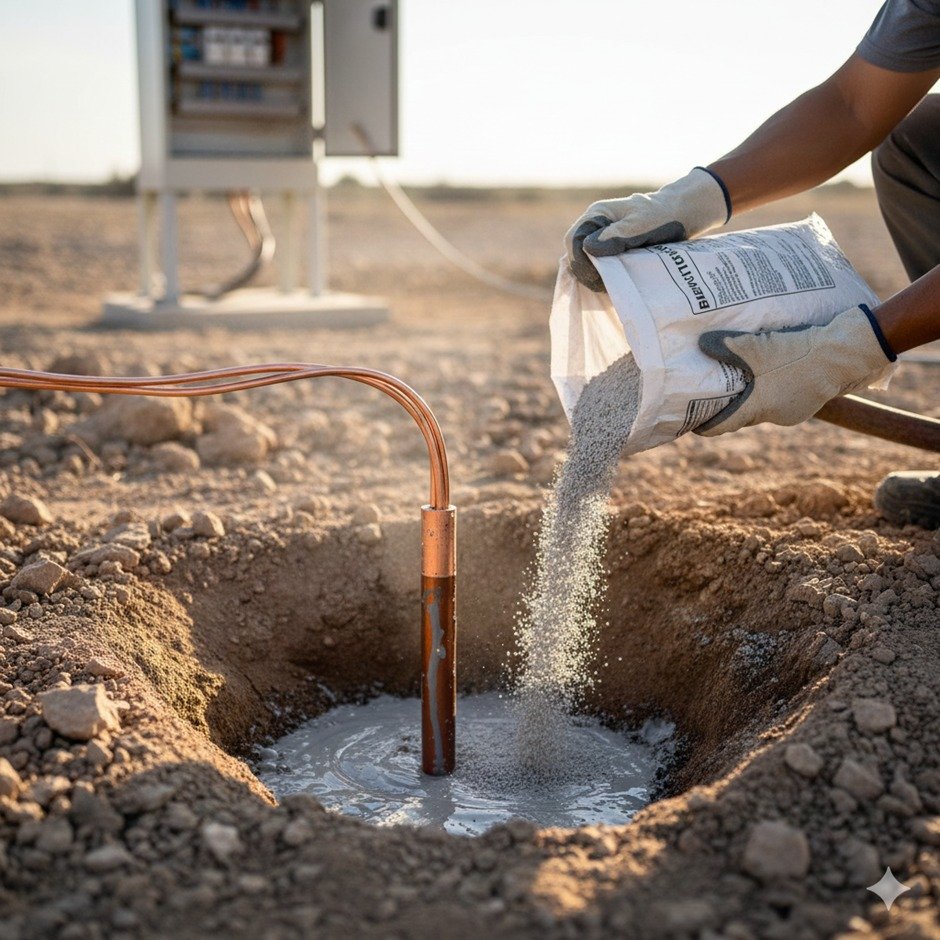
Bentonite powder is used as an Earth Electrode Backfill to significantly improve the performance of electrical earthing (grounding) systems.
When mixed with water, this moisture-retaining clay, typically sodium bentonite, swells to several times
its dry volume. This swelling ensures continuous, intimate contact between the earth electrode (rod/strip)
and the surrounding soil, eliminating air gaps that would increase resistance. Crucially, bentonite's
ability to retain large amounts of moisture ensures a consistently low soil resistivity even in dry or
sandy conditions, allowing fault currents and lightning energy to dissipate safely and efficiently into
the ground. It is an environmentally friendly, non-corrosive solution for challenging soil conditions.
Would you like to know the recommended mixing ratio for a bentonite slurry used in earthing?
DRILLING OIL WELLS

Bentonite powder is an indispensable component in drilling mud (drilling fluid) used in oil, gas, and geothermal well drilling.
Its primary role is to act as a viscosifier and thixotropic agent. When mixed with water, the bentonite forms a gel-like slurry that performs five critical functions:
1. Cuttings Removal: The viscosity suspends and carries rock cuttings up to the surface.
2. Wellbore Stability: It forms a low-permeability filter cake on the borehole walls, preventing fluid loss into the formation and stabilizing the surrounding rock.
3. Pressure Control: The hydrostatic pressure of the dense fluid balances formation pressures, preventing blowouts.
4. Lubrication and Cooling: It reduces friction on the drill bit and pipe, prolonging equipment life.
This ensures safe, efficient, and cost-effective deep drilling operations.
AGRICULTURE

Bentonite powder is highly valued in agriculture, primarily for its exceptional cation exchange capacity (CEC) and water absorption/retention properties.
As a soil conditioner, bentonite—especially sodium or calcium types—is added to sandy or low-fertility soils. Its structure helps bind sand particles, improving the texture and porosity of the soil, which reduces nutrient leaching and enhances water holding capacity, promoting drought resistance. In animal feed, it acts as a binder and a toxin adsorbent, reducing the impact of mycotoxins on livestock health. Furthermore, bentonite is used as an inert carrier for pesticides and fertilizers, ensuring slow and controlled release of active ingredients for maximum efficiency.
Would you like a detailed explanation of how bentonite's CEC affects nutrient availability in soil?